Production Facility
Built for Scale, Ready for Export
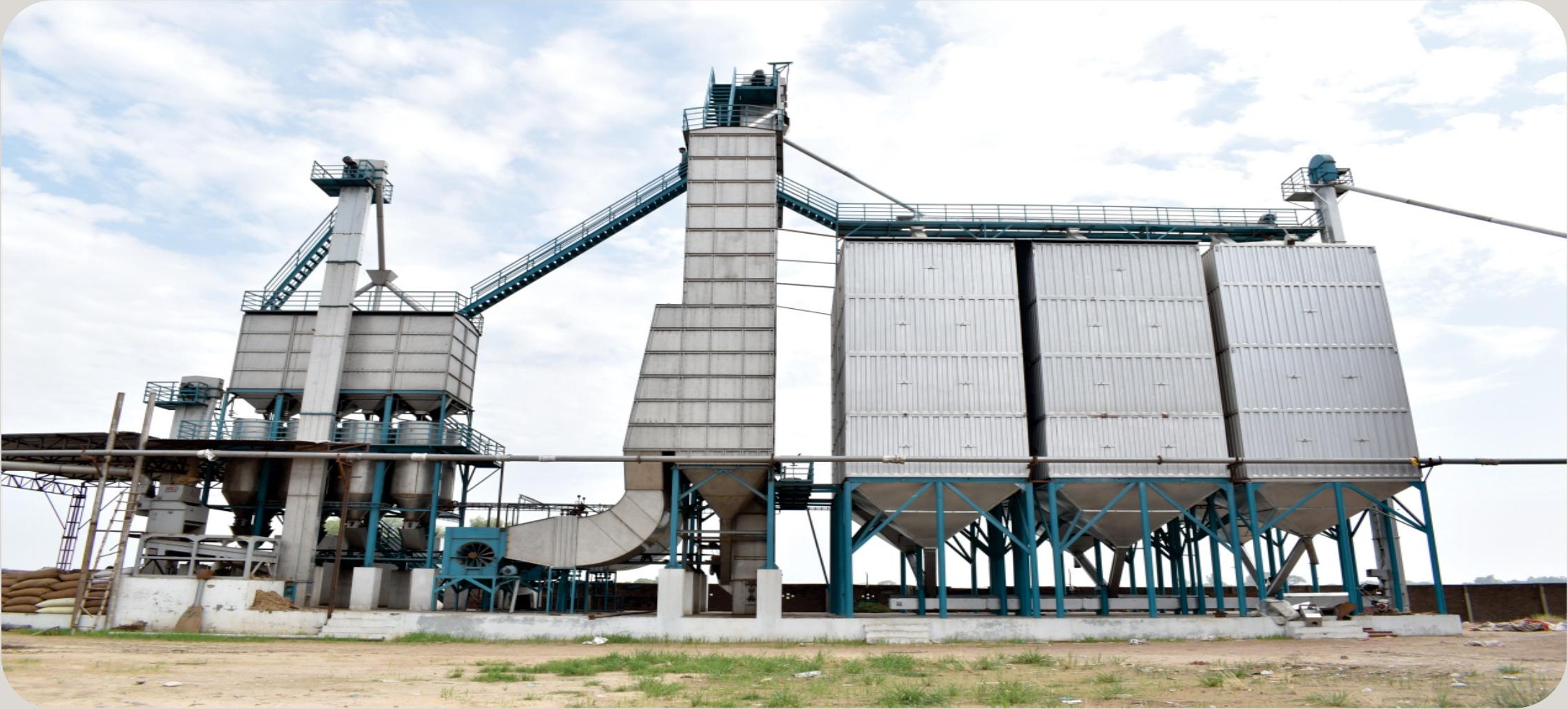
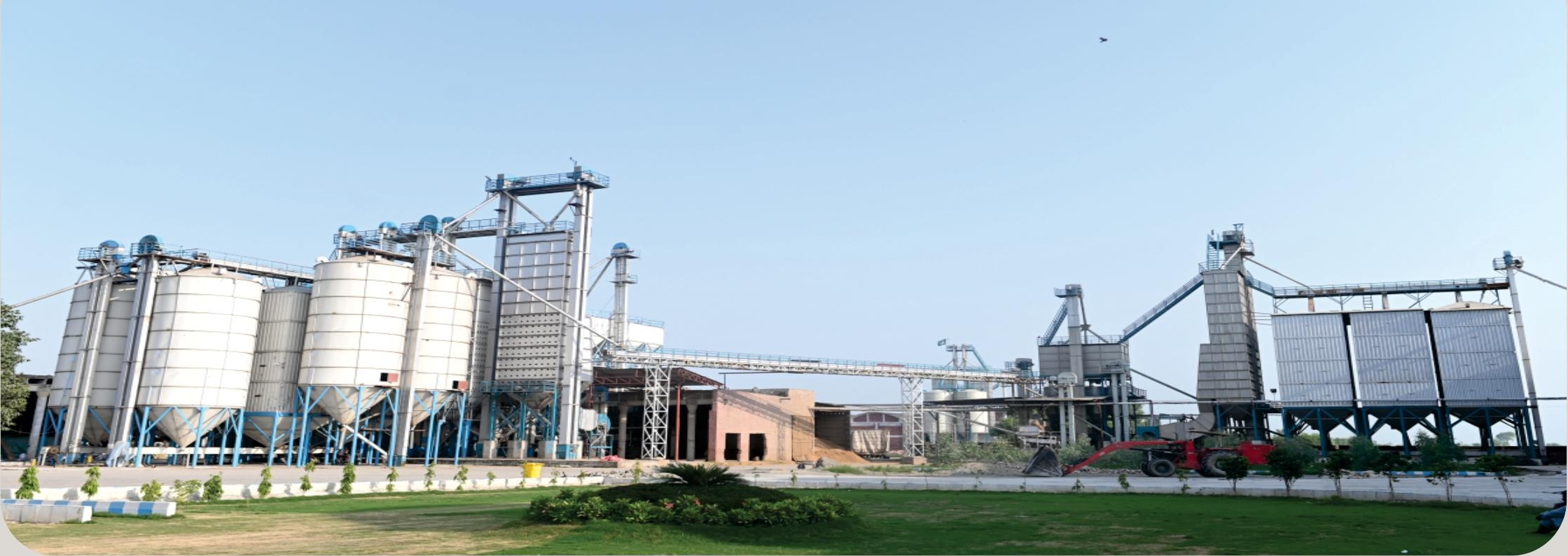
A complete SATAKE milling unit — husking, milling and processing paddy at 30 tons an hour, with a proven track record and three silos of on-site storage.
The Facility
From a 5-ton unit to the region’s largest mill
RRM started in 1998 as a small milling unit with local, Chinese and Japanese machinery, husking 5 tons of paddy an hour. In February 2020 the family installed a brand-new 30-ton-per-hour SATAKE plant — today RRM stands as the largest milling facility in the Kalar Belt, with three silos holding 3,009 tons across 3 silos.


Our Process
From paddy to dispatch, every step accounted for
See the full 12-step milling process, from sourcing to final dispatch.
Quality Lab & Testing
Measured before it ships
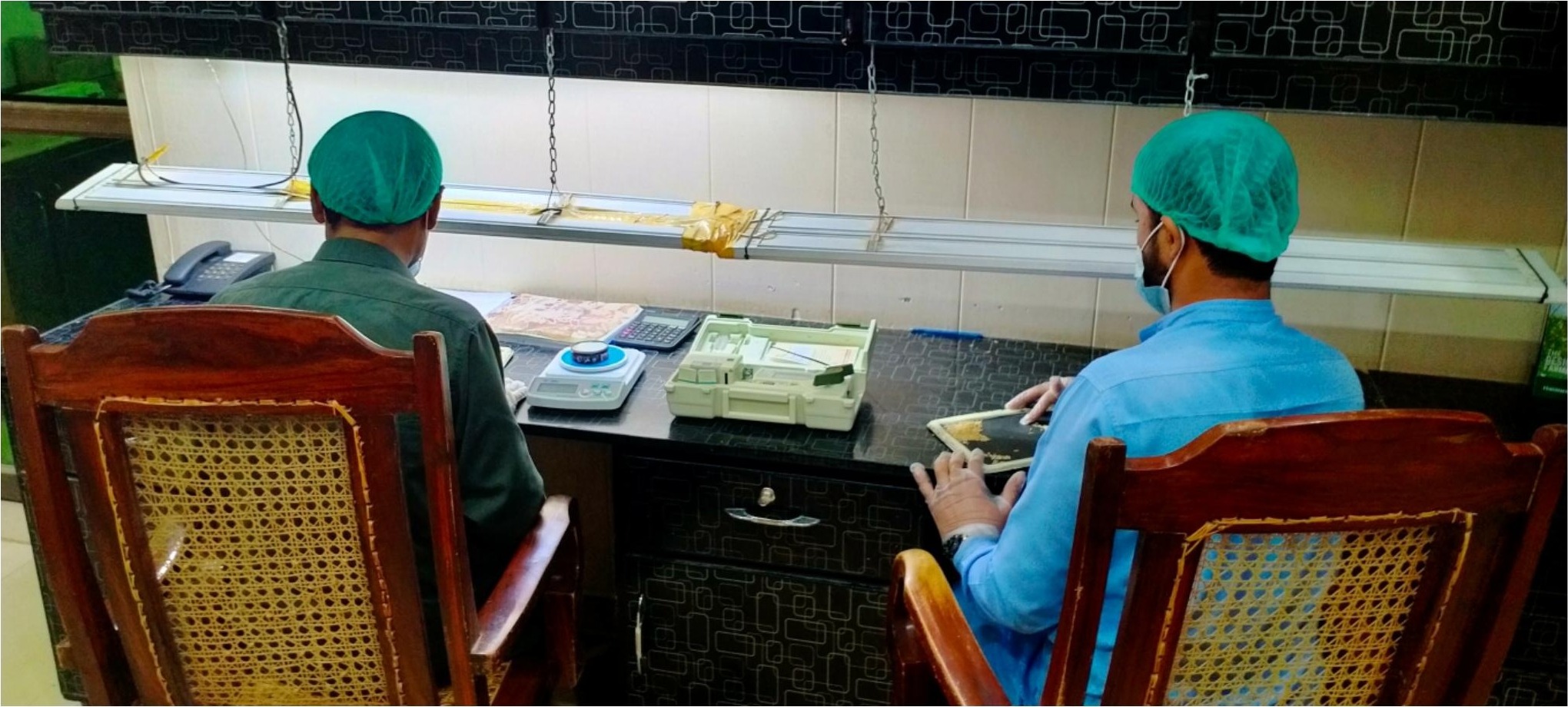
Physical parameters and Aflatoxin are checked and tested in the mill's own lab. Other mycotoxins, water testing, radioactivity and chemical residue testing is outsourced to recognised and approved external laboratories.
3rd-party pre-shipment inspection and sampling is available as per global regulations and testing by SGS & SCBS (Eurofin), or by the buyer's own quality assurance team on request.


Sustainability
Milling responsibly, for the long term

Solar Power
We utilize solar energy to support our operations, reduce dependence on conventional energy sources and lower our environmental footprint.

Responsible Resource Management
Efficient use of water, energy and other resources.

Local Partnership
We collaborate with local farmers, suppliers and service providers, supporting local business and contributing to sustainable economic growth.

Sustainable Packaging
Working towards responsible and optimized use of packaging materials.
See It for Yourself
Buyer facility visits and third-party audits are welcome by arrangement.